How Long Does a Heat Pump Last in Florida’s Climate?
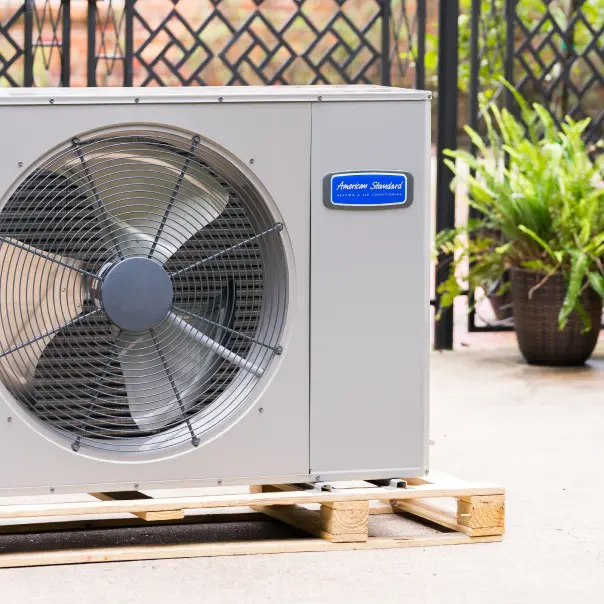
A heat pump moves heat out of your home to cool it, then reverses direction to provide heating. If your house still cools but repair bills keep climbing, heat pump lifespan in Florida becomes a practical question: how much longer is keeping your system worthwhile?
How long does a heat pump last in florida?
Roughly 10-15 years is a general planning range for a standard heat pump, not a Florida expiration date. Proper sizing, installation, and maintenance can support 15-20 years of service.
Age alone does not mean your system needs replacing. A maintained older unit with dependable performance can deserve another repair. A younger system with recurring leaks and major deterioration needs a closer look.
How to find your heat Pump’s age
Start with your installation invoice, permit records, or warranty registration. Without records, photograph the outdoor unit’s model and serial numbers, then use the manufacturer’s lookup tool or customer support.
The manufacturing date tells you when equipment was built, not when installation occurred. Your indoor and outdoor units may also have different ages.
A system can reach 20 years, and occasional systems reach 30. Possible does not mean typical, efficient, or economical to keep repairing.
Why Florida’s climate changes your heat Pump’s lifespan
In Gainesville, Newberry, High Springs, and Alachua, your heat pump handles long cooling seasons and moisture removal, followed by relatively short, mild winters. Heat pumps are common locally because the same equipment covers both jobs.
Humidity creates condensate, the water collected as your system dries indoor air. A clogged drain can trigger a shutdown or water damage. Dirty coils restrict heat transfer, while poor airflow, incorrect refrigerant charge, and installation mistakes add avoidable strain.
Your inland North Central Florida home does not face the same routine salt exposure as beachfront property. Coastal contractor lifespan estimates should not become statewide averages. Salt can accelerate corrosion, but your actual exposure matters.
The trade-offs are maintenance needs, repair expenses, and potentially expensive electric backup heat during cold snaps. If backup heat keeps running after temperatures recover, check what can keep auxiliary heating active.
Long run times Aren’t the same as constant start-stop cycles
Short cycling means repeated, brief on-off operation. Think of equipment age like car mileage: years matter, but operating conditions matter too.
Oversized equipment can cycle too frequently and leave humidity behind. Undersized equipment can struggle to meet demand. Runtime alone cannot diagnose either problem.
Variable-capacity equipment can run longer at lower output without signaling failure. A central AC paired with separate heating handles the same summer cooling workload; additional heat-pump wear depends partly on actual heating use. Extended business hours can also increase your light-commercial system’s workload.
Should you repair your heat pump or replace it?
Look for patterns: worsening comfort, recurring breakdowns, extensive corrosion, unusual noises, or increasing electricity use. Before blaming equipment, account for hotter weather, changed utility rates, and thermostat habits.
One failed part does not automatically justify replacing your system. A capacitor or drain-switch problem is different from recurring refrigerant leaks and a deteriorating compressor. Your diagnosis should separate a repairable fault from broader decline.
Compare your real costs, not just the $5,000 rule
The $5,000 rule multiplies equipment age by repair price. A result above $5,000 is often treated as a replacement signal. It is a shortcut, not a reliable verdict: warranty coverage, equipment condition, and replacement scope can change the answer.
Compare both choices over the same ownership period. On the repair side, include your out-of-pocket repair after warranty coverage, expected additional repairs, and operating costs. On the replacement side, include net installed cost after confirmed incentives and projected operating costs.
Here is a hypothetical five-year example, expressed as percentages of your replacement quote rather than local prices. Assume the immediate repair equals 10% of that quote, future repairs equal 15%, and operating costs equal 60%. Keeping your system totals 85%. Replacement costs 100% upfront plus 45% for operation, totaling 145%.
Under those assumptions, repair costs less during that window. But the calculation assumes your old equipment survives five years. Earlier replacement changes the comparison, while the new system may retain useful life beyond the window. Your longer-term ownership comparison should make those uncertainties visible.
For a 2,000-square-foot home, square footage alone cannot establish installation cost. Without a verified current local range, an estimate is more useful than an invented price. Load calculations, duct condition, electrical work, efficiency, and installation scope determine your quote. Lower operating costs are projections, not guaranteed savings.
Does a failed compressor or coil mean replacing everything?
A compressor, indoor coil, or outdoor-unit replacement can make sense when the remaining equipment is sound and compatible. Check parts coverage separately from labor, refrigerant, and other installation expenses.
Your contractor should verify refrigerant compatibility, controls, and a manufacturer-approved indoor/outdoor equipment match. Mixing incompatible components can compromise performance and warranty eligibility.
Request separate written estimates for the repair and a matched-system replacement. A major part failure deserves a comparison, not an automatic whole-system sales pitch.
How to help your heat pump last longer
Check your filter monthly. Replace it according to condition and manufacturer guidance, commonly every one to three months for standard filters. Pets, renovation dust, and heavy summer use can shorten that interval.
Keep vegetation, leaves, and stored items outside the equipment’s specified clearances. Watch for drainage trouble, including water around the indoor air handler or repeated float-switch shutdowns. Avoid adding drain chemicals unless your equipment’s instructions or service provider specifically recommend the product.
Arrange professional service before cooling and heating seasons. A useful maintenance plan should clearly explain inspection frequency and scope, including airflow, coils, drainage, electrical components, and refrigerant-performance checks when appropriate. Ask what Eagle Care Plan includes rather than assuming every repair or seasonal visit is covered.
Maintenance can reduce avoidable problems. It cannot guarantee extra years.
When replacement becomes necessary, request a Manual J calculation, which calculates your home’s heating and cooling needs. Include a duct evaluation. An older Gainesville home with restricted returns needs a different assessment from a newer Newberry builder-grade installation, even with similar square footage.
What to do after a hurricane or flood
Leave your system off after submersion, displaced equipment, damaged wiring, or suspected electrical damage. Get a professional inspection before restarting.
Shut power off only if you can safely reach the disconnect or breaker. Never enter standing water to do so. Avoid touching electrical components, opening panels, or pressure-washing coils.
Elevation can reduce flood exposure, but it cannot make flooded equipment safe. A dry-looking cabinet is not proof that internal components are safe to energize.
Get a clear next step for your aging heat pump
For a sudden breakdown, call Eagle AC and ask about same-day repair availability. Before booking, know what to expect from a repair visit, including diagnosis and authorization before work begins.
For repeated failures or a major repair quote, request a free replacement estimate. If your equipment works but care is overdue, ask about joining Eagle Care Plan and confirm the included maintenance schedule.
Your best decision starts with condition, cost, and comfort, not a birthday printed on a cabinet.
Frequently asked questions
Does frequent cooling mean your heat pump is wearing out?
Not necessarily. Long cooling cycles are normal during hot, humid weather, especially with variable-capacity equipment. Failure to reach your thermostat setting, new noises, or repeated brief cycles deserves inspection.
Can a newer builder-grade system need repairs without needing replacement?
Yes. Capacitors, drain controls, and other serviceable components can fail while the compressor and coils remain sound. Get a diagnosis and check applicable warranty coverage before deciding.
Does a higher efficiency rating guarantee a longer lifespan?
No. Efficiency ratings describe performance under specified conditions, not promised service life. Correct sizing, installation, maintenance, and exposure still affect how long your equipment lasts.
Should your indoor and outdoor units be replaced together?
Not always. A compatible, manufacturer-approved component replacement may be reasonable. When an approved match is unavailable or both units are deteriorating, a matched-system replacement can make more sense.
Before calling for service in Gainesville, Newberry, High Springs, or Alachua, find your installation date and latest repair invoice. Call Eagle AC or book service online with those records handy.