
When to Replace an AC Unit (And When It’s Not Time Yet)
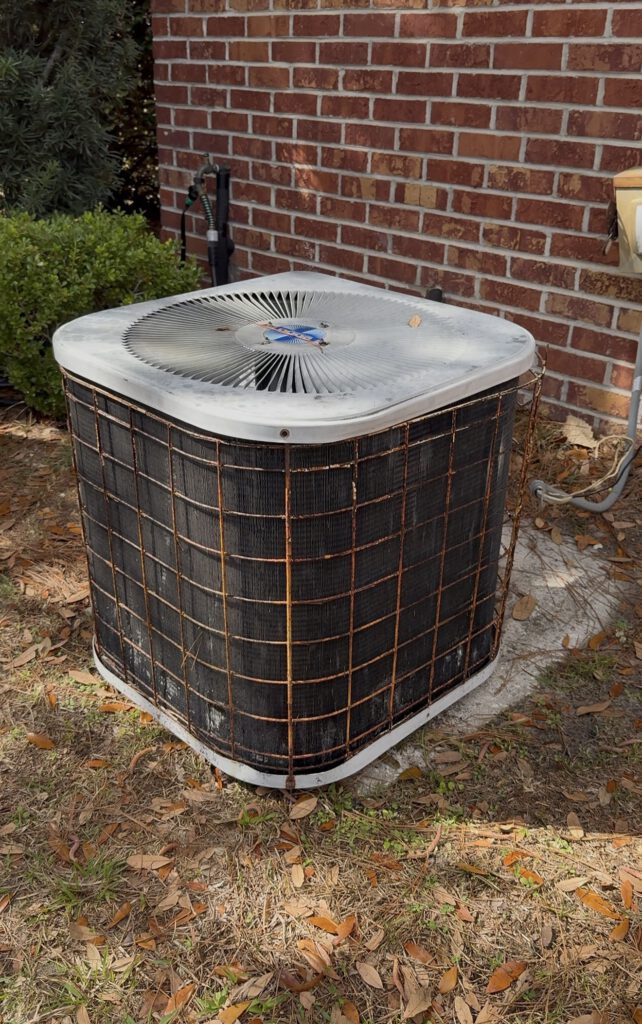
Deciding when to replace an AC unit means knowing when another repair no longer offers good value. If your AC runs all afternoon in Gainesville but your home still feels sticky, you need a diagnosis, not automatically a new system.
When to replace your AC unit: look for more than age
Your system’s age alone does not mean you need a new AC. Think of an older unit like an older car: condition and repair history matter more than the birthday.
Warning signs that make replacement worth considering
An older system deserves closer attention. AC equipment lasts roughly 10-20 years, depending on installation, maintenance, equipment, and Florida’s long cooling season. Use age to judge remaining service life, not set a replacement deadline. A working 20-year-old unit calls for planning, not an emergency purchase.
Repeated or expensive AC repairs strengthen the replacement case. Review your invoices for recurring failures before approving another repair.
Rising electricity use is another warning. Compare kilowatt-hours under similar weather and thermostat settings, rather than bill totals, which also reflect rate changes.
Worsening cooling or humidity control calls for testing. In an older home, leaky ducts may contribute; in a newer builder-grade subdivision, a repairable component may be responsible.
How to check your System’s age and refrigerant
Check your outdoor equipment label for the manufacture date, model, serial number, and refrigerant type. If the date is encoded, use the manufacturer’s lookup or ask a technician.
Costly R-22 leak repairs can favor replacement because production and imports ended in 2020. But neither R-22 nor the transition away from R-410A automatically requires replacement.
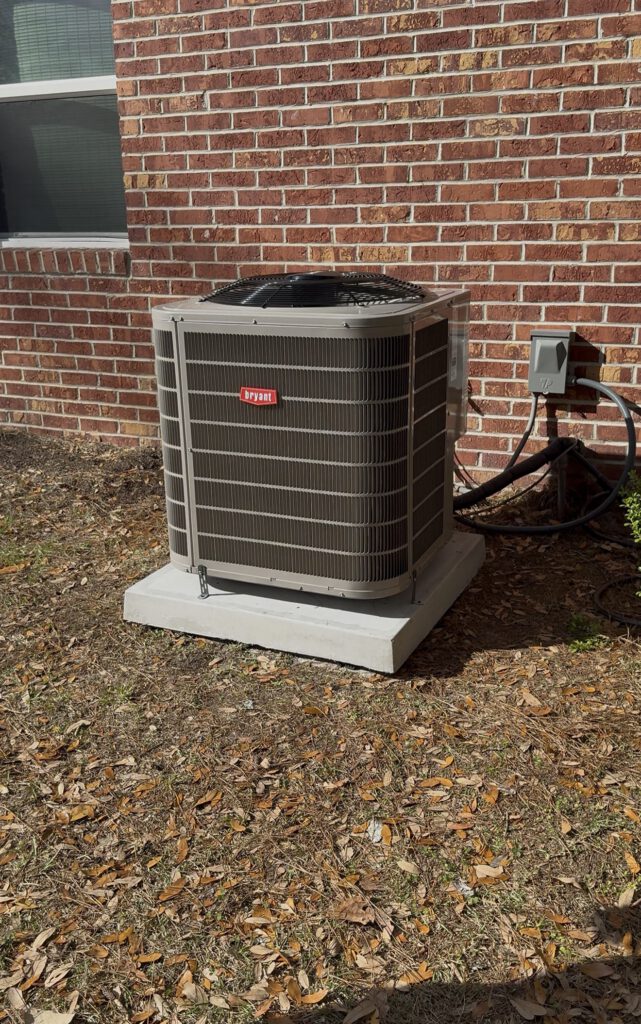
When your AC still makes sense to repair
A younger, maintained system with an isolated, affordable failure is usually worth fixing. A failed capacitor, thermostat problem, clogged drain, or restricted airflow is different from a major compressor failure or recurring refrigerant leaks.
Start safely: check thermostat settings, inspect your filter, and make sure vents are unobstructed. Leave electrical testing and refrigerant work to a professional. If you notice an electrical burning smell, shut the system off and request prompt professional help.
Before blaming the whole unit, request testing of ducts, coils, electrical components, and refrigerant leaks. Refrigerant does not normally get “used up.” Repeated refills need leak diagnosis, not another top-off.
Check your warranty before comparing quotes. Look for parts coverage, labor coverage, registration requirements, and exclusions. A covered part can make repair worthwhile even on an older system. Your options for an aging system should reflect the actual uncovered cost, not just its age.
How to compare AC repair and replacement costs
The $5,000 rule multiplies your system’s age by the repair estimate. A result above $5,000 is a reason to request a replacement quote, not a verdict. Understanding where that shortcut falls short helps you avoid replacing repairable equipment.
The 50% rule suggests considering replacement when repair exceeds half the installed replacement price. Neither shortcut captures remaining life, warranty coverage, operating costs, or future failures.
Hypothetical calculation: A $1,000 repair plus three years of cooling electricity at $1,200 annually totals $4,600. An $8,000 replacement plus three years at $900 annually totals $10,700.
If professional assessment supports three more reliable years, repair costs less over that period. Replacement retains useful life afterward, though, and another major failure changes the comparison. Annual savings of $300 alone would take about 23 years to recover the $7,000 upfront difference.
To estimate savings, start with cooling-related electricity use, not your whole-home bill. Compare efficiency ratings on the same basis, since SEER and SEER2 use different testing procedures. Multiply projected cooling kilowatt-hour savings by your local electricity rate, adjusting expectations for weather, thermostat settings, and usage changes.
For broad planning only, an illustrative installed central-AC range is roughly $5,800-$17,000, not a Gainesville-area quote. Size, installation complexity, ducts, and electrical work affect price.
Request itemized estimates specifying the outdoor unit, compatible indoor coil or air handler, and whether your furnace can stay. Ask for sizing calculations rather than matching existing capacity automatically.
Heat pumps, the most common local setup, also provide heating, so replacement scope differs from cooling-only AC. Ductless systems involve indoor and outdoor equipment; window units are self-contained, making replacement more practical when major repairs approach replacement cost. Light-commercial equipment needs a property-specific assessment.
Verify current incentives before counting savings. The cited federal central-AC tax-credit period ended December 31, 2025.
Should you replace now or wait for cooler weather?
Florida’s short, mild winters can offer more scheduling flexibility, but discounts are not guaranteed. Waiting makes less sense with repeated breakdowns, household health needs, or cooling loss that disrupts your home or small business in Newberry, High Springs, or Alachua.
For an immediate cooling problem, request same-day repair availability. When age, repair costs, and reliability favor replacement, arrange a free estimate. If your existing system remains a sound repair candidate, consider the Eagle Care Plan maintenance plan.
Before a major purchase, compare more than one written assessment. Get the fault, repair scope, replacement scope, and expected benefit in writing.
Frequently asked questions
Should you replace a working 20-year-old AC?
Not automatically. Plan ahead and compare condition, repair history, electricity use, and comfort before deciding.
Does high indoor humidity mean you need replacement?
No. Airflow, sizing, thermostat settings, or duct problems can contribute. Get those checked first.
Can you replace only the outdoor unit?
Sometimes, but compatibility matters. Your estimate should identify the matching indoor equipment and explain what can remain.
Is a heat pump replacement different from AC replacement?
Yes. Your heat pump handles cooling and heating, so your replacement assessment must address both.
Before calling, photograph your equipment label and gather your latest repair invoice. Call Eagle AC or book service online for repair availability, a free replacement estimate, or Eagle Care Plan enrollment.